Perfecto: Culturally-Grounded Health Storytelling
What started as a footnote in a research paper became a $300K study exploring whether culturally relevant stories could help people stick to their health goals.
It started with a footnote
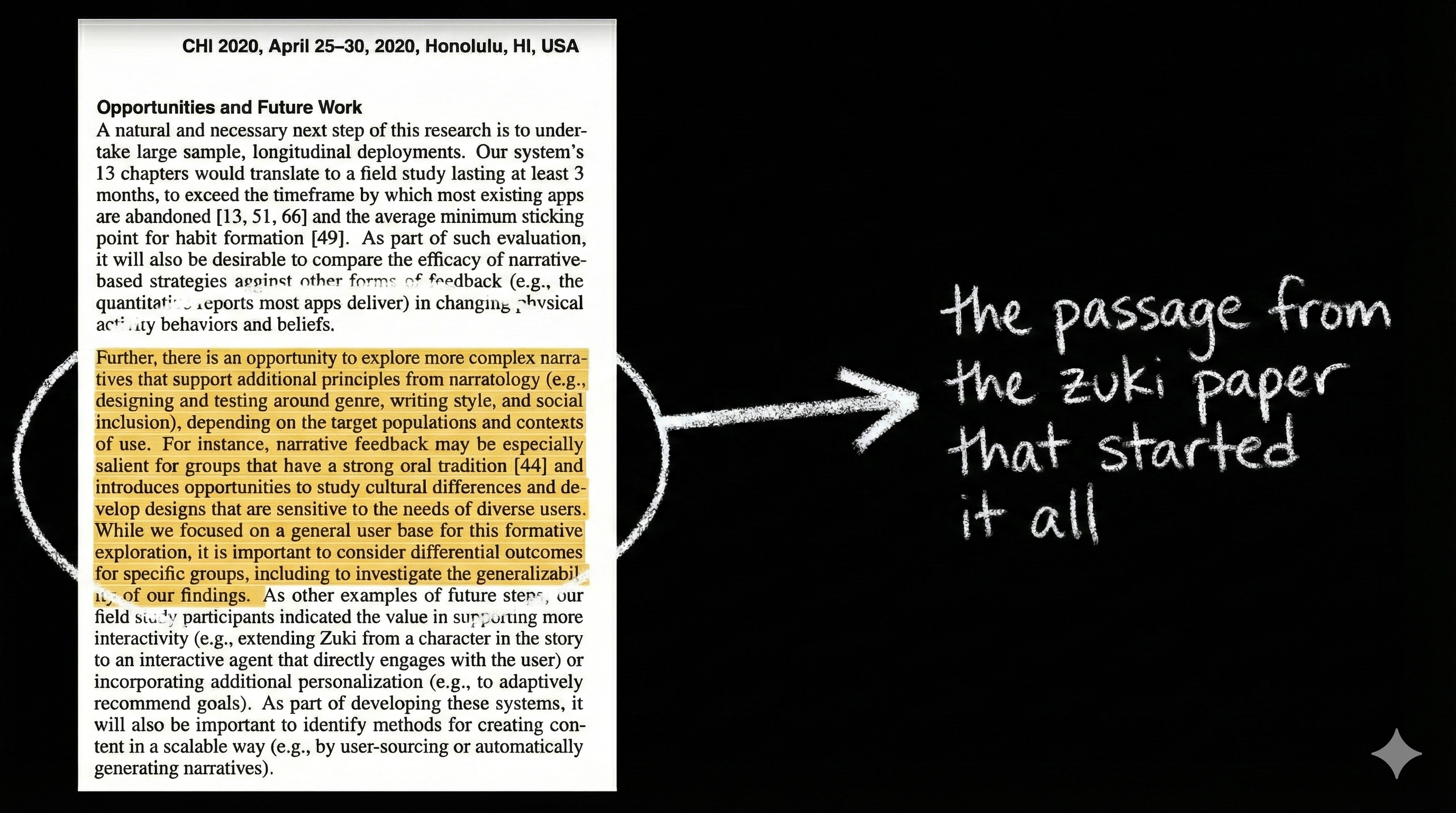
In 2020, during the pandemic, I read a paper called Who is Zuki? published by researchers at the Stanford HCI lab. The lab had built a fitness app where an alien character named Zuki lived in your phone. His story progressed as users hit their fitness goals. The idea was simple: could the power of storytelling make people more motivated to meet their fitness targets? Their pilot suggested yes.
At the end of the paper, in the 'Opportunities and Future Work' section, was this line: "narrative feedback may be especially salient for groups that have a strong oral tradition and introduces opportunities to study cultural differences and develop designs that are sensitive to the needs of diverse users."
I couldn't stop thinking about it. Something as simple as a story could lead to significant, targeted, positive health outcomes in populations that disproportionately struggle with specific illnesses and from a culture that deprioritises fitness. So I emailed Paula Moya, the English professor who'd created Zuki's story, and asked: are you working on this? Can I help? The answer: not yet, but let's do it together. And that's how Perfecto began.
What Perfecto does
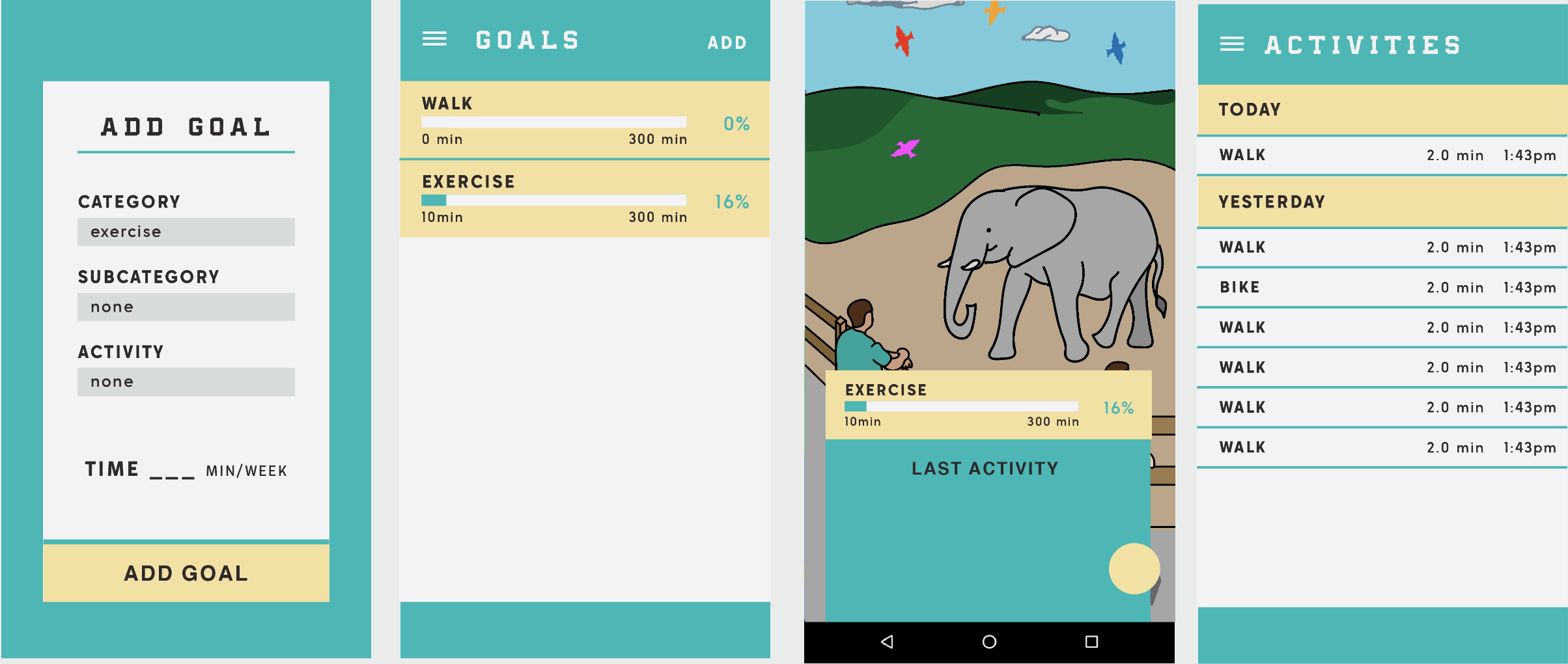
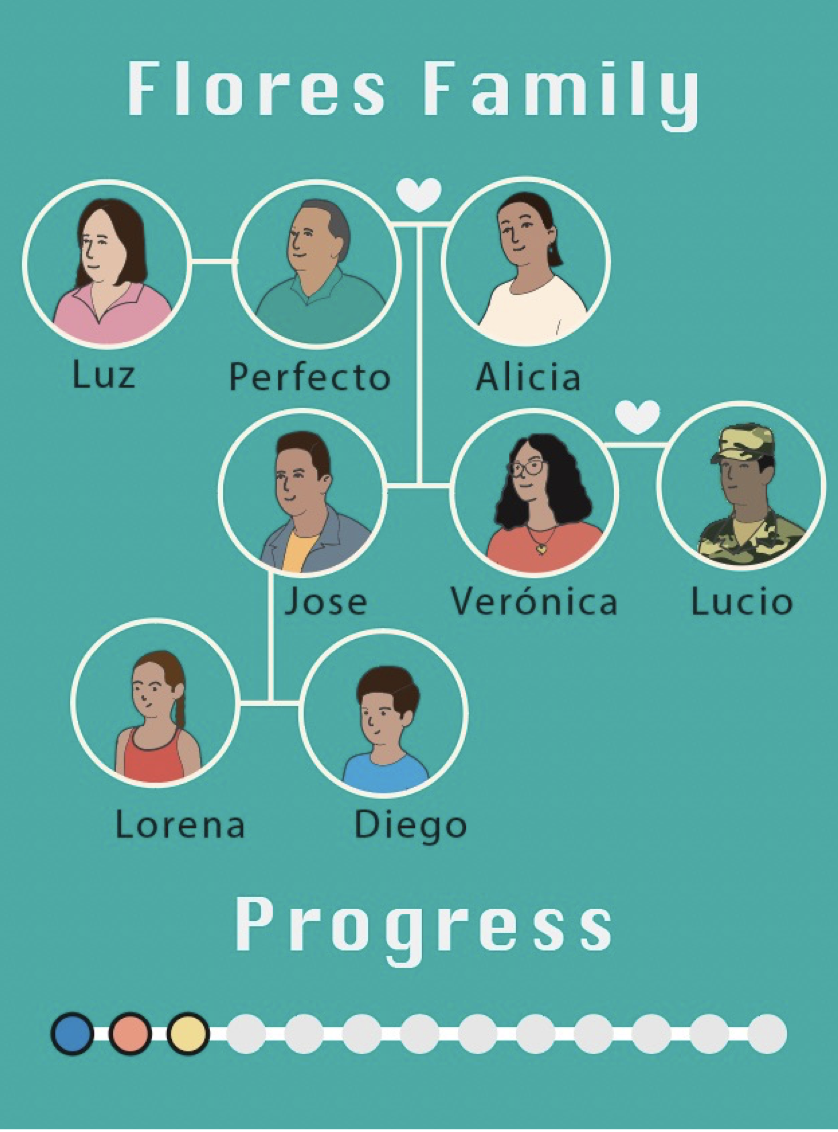
Perfecto is a fitness tracking app built on the Zuki infrastructure, but instead of an alien, it tells the story of Perfecto Flores. He's a Mexican-American carpenter living in Las Lomas, USA. Perfecto has recently been promoted to management and is no longer getting the exercise he used to get from working on the job. He lives near his son José and loves spending time with his grandchildren Diego and Lorena. When his daughter Veronica gets engaged, she asks him to build her wedding arch. But Perfecto discovers his carpenter's belt no longer fits because of his growing belly.
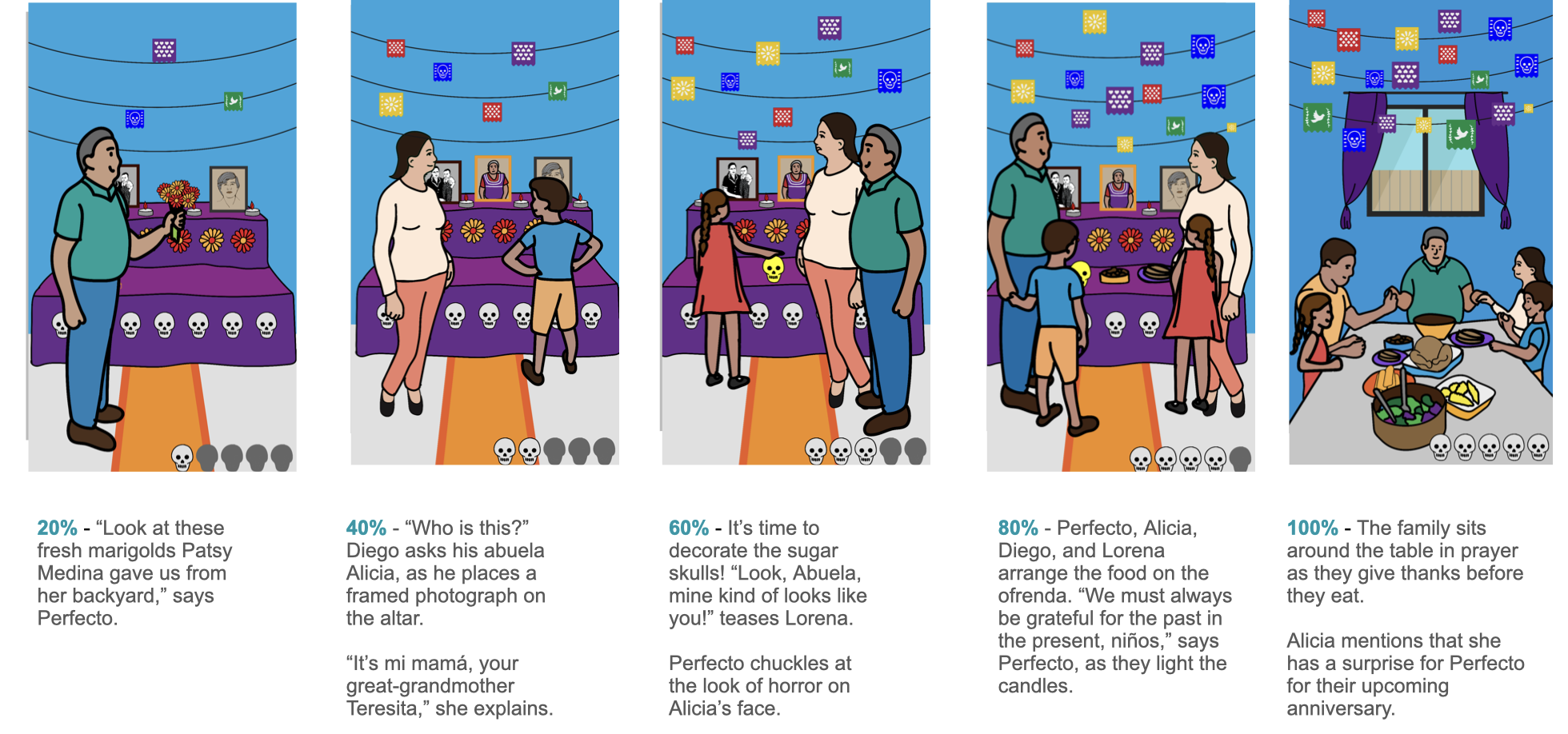
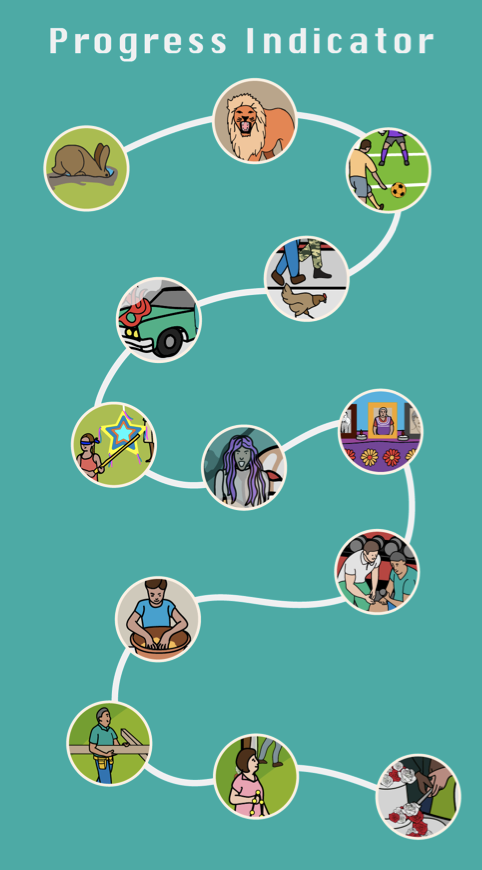
As you hit your weekly fitness goals, Perfecto's story progresses across 13 chapters spanning a full year leading up to the wedding. Each chapter has five steps (20%, 40%, 60%, 80%, 100%), and he lives in your phone's wallpaper, moving through culturally resonant activities. Working in Alicia's vegetable garden, taking his grandkids to the zoo, playing fútbol in the park, celebrating Día de los Muertos, hosting a tamalada, and ultimately building the wedding arch with his son José.
We focused on Mexican-American populations because they have higher rates of diabetes, and we wanted to test whether culturally grounded storytelling could be more effective than generic health interventions. Stories centered on familism, featuring recognizable traditions like La Llorona folklore and pan dulce at the panadería.
The hypothesis: if Zuki worked because people wanted to know what happened next, would a culturally resonant story work even better?
Writing Perfecto
The first challenge was the narrative itself. Professor Moya and I spent months brainstorming with narrative consultant Helena Maria Viramontes, crafting a 13-chapter story that felt authentic. Not stereotypical, but genuinely reflective of Mexican-American experiences and values. Each chapter needed to work as a standalone episode while connecting to the larger arc of Perfecto's journey toward his daughter's wedding.
We hired an illustrator who didn't work out, and then found Sam Romero through a referral to bring Perfecto to life visually. But before any of that made it into the app, we had to test whether the story actually worked.
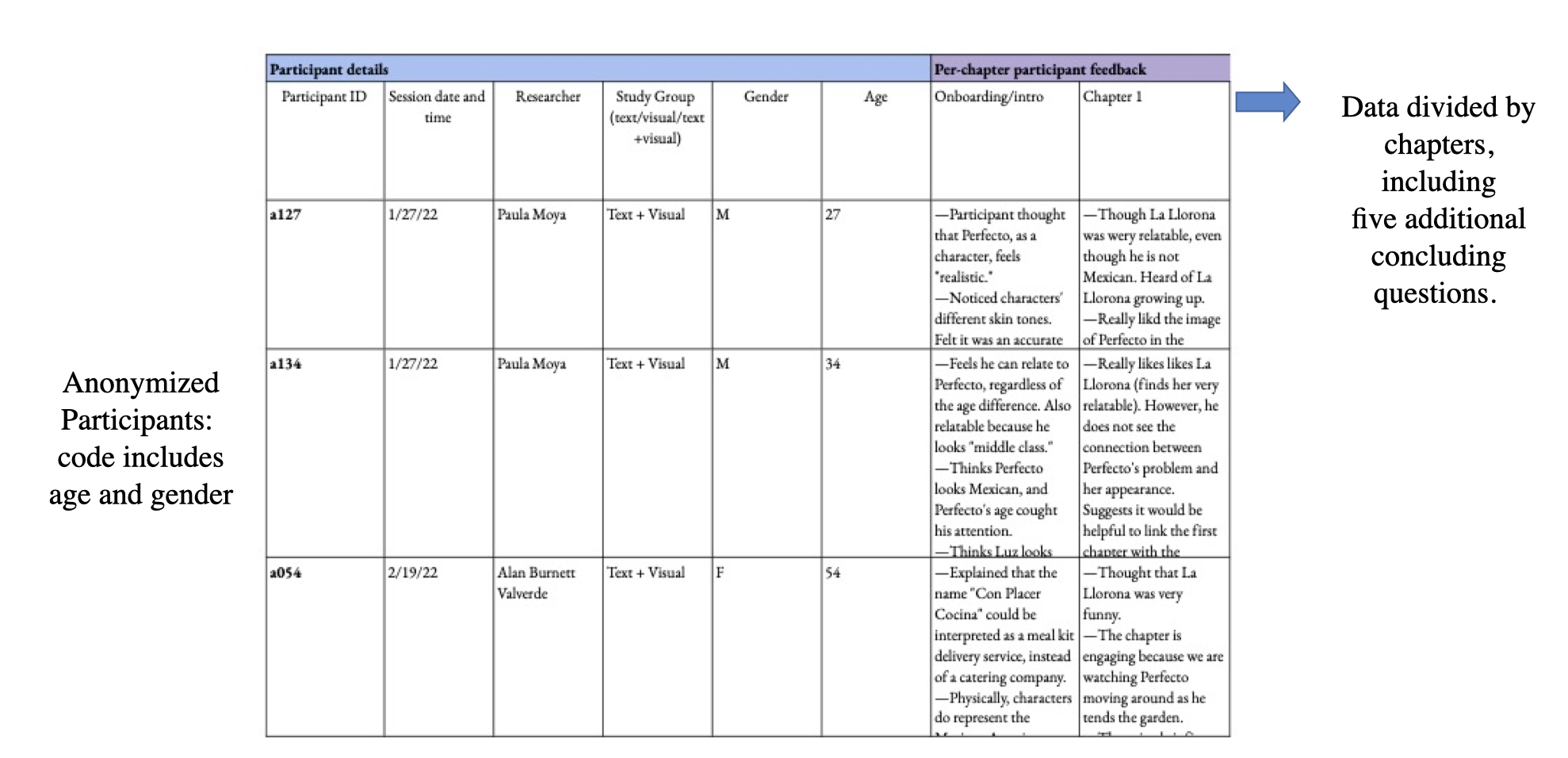
We built the entire story testing infrastructure from scratch. I created an interview guide with questions designed to measure narrative engagement across five dimensions: empathy, cognitive perspective taking, involvement, ease of cognitive access, and realism. I wrote a participant recruitment screener to find Mexican-American adults who matched our target demographic. I set up a data collection table to track responses systematically.
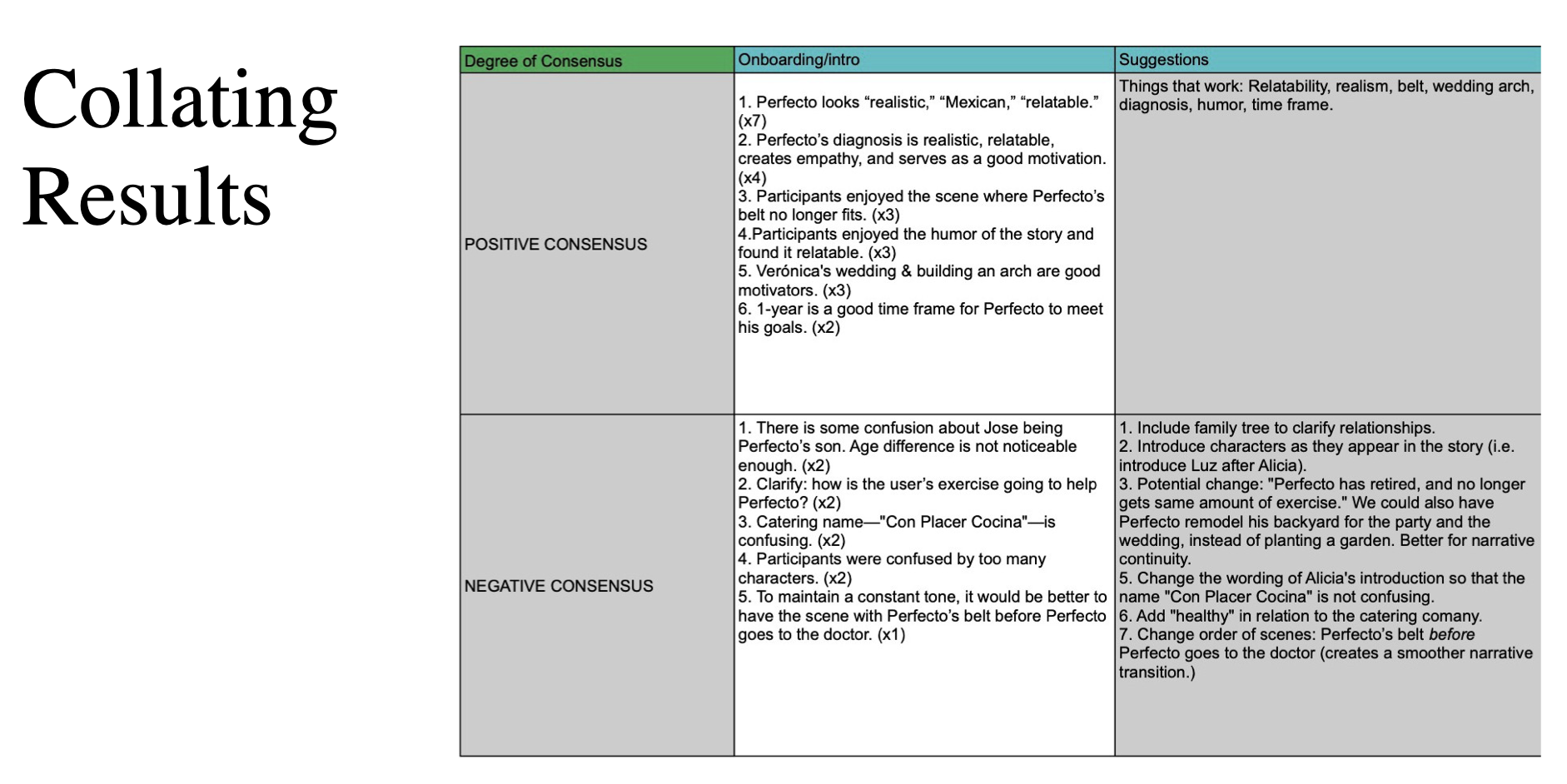
Then we ran the interviews. We showed participants the story text and asked: Did this feel real? Could you see yourself in Perfecto's life? Did you want to know what happened next? Did La Llorona resonate culturally, or did it feel forced? When participants said things like "too many exclamations" or pointed out inconsistencies in family relationships, I tracked every piece of feedback in version-controlled documents. By version 13, we had successfully refined the narrative based on real user responses.
Assembling the pieces
Perfecto only worked because of the interdisciplinary team:
As the team grew, my role became part project manager, part translator. I set up the infrastructure: Google Drive, mailing list, Slack, the website. I ran weekly interdepartmental meetings where the English department, HCI lab, and med school researchers had to actually talk to each other and figure out how their work fit together.
This is where I learned how cross-functional collaboration actually works. Sitting in meetings with James and the HCI team, I learned about user interface design, Android development, and how to think about data visualisation for health apps. Working with Dr. King's lab, I learned how randomised controlled trials are designed, how to recruit and screen participants, and what makes health intervention research rigorous. And with Dr. Moya and Helena Maria Viramontes, I learned how narrative structure creates emotional engagement, how cultural specificity differs from stereotyping, and why certain story beats work better than others for behavior change.
Getting funded
None of this could happen without funding. The original Zuki project had been funded by Stanford's Catalyst for Collaborative Solutions, so we went back to them.
I created the pitch deck. Professor Moya and I presented to the Catalyst Group, explaining why a culturally specific narrative might work better than Zuki's generic alien story for populations with higher diabetes rates. We walked them through the narrative structure, the proposed study design, and the preliminary story testing results that showed Mexican-American participants were genuinely engaged with Perfecto's story.
We got $200,000 from Catalyst. That funded the narrative development, Sam's illustrations, my story testing work, and the initial app development. More importantly, it funded the proof of concept we needed.
The story testing results were strong: participants wanted to know what happened next. They empathized with Perfecto. They recognized the cultural touchstones without feeling pandered to. That validation made the bigger pitch possible.
Next, we (led by Liz and Kate) took that proof of concept and secured a $300,000 grant from the American Diabetes Association for the full-scale randomized controlled trial. Three groups: Perfecto, Zuki, and a control fitness app. By the time that funding came through, I was still at Stanford but preparing to graduate and move to Oxford for law school.
Perfecto Today
I graduated in the summer of 2022 and moved to Oxford for law school. While I stayed on as a consultant for a few months, I had largely off-boarded from the project. Since then, the study has launched and the HARTS Lab is running the three-part study with > 50 participants. Working on Perfecto taught me how to build something from a footnote into a federally funded study. I learned how to design and execute user testing, how to translate narrative theory into design decisions, how RCTs actually work, how to pitch for funding, and how to manage a team across departments when nobody had done this exact thing before. And somewhere in the middle of all that, I learned that the best way to figure out if something works is to build it, test it, and be willing to start over when it doesn't.